

Do you want to drive more traffic to your website? Whether you’re running an online store, a portfolio site, or a business blog, more traffic means more opportunities to grow.
The problem is, having a website isn’t enough on its own. If people can’t find you, they can’t buy from you, read your content, or reach out for your services. And with changes to how Google displays search results, including AI-generated summaries and lower click-through rates, getting visitors to your site takes more effort than it used to.
The good news is that there are plenty of proven strategies that still work. Below, you’ll learn 12 ways to increase your website traffic using both free and paid methods. You’ll also learn how to make sure you’re attracting the right visitors, not just more of them.
Let’s get into it.
Table of Contents
Why Increasing Website Traffic Matters
Your website is the one piece of online property you fully control. Social media platforms can change their algorithms, limit your reach, or shut down entirely. Your website is yours.
But a website without visitors doesn’t do much for your business. More traffic means more people discovering your products or services, more email sign-ups and inquiries, more data about your audience, and ultimately more sales and revenue over time.
That said, not all traffic is equal. A thousand random visitors who leave after three seconds won’t help your business. What you want is targeted traffic from people who are actually interested in what you offer. Every strategy in this guide focuses on attracting those visitors.
How to Increase Website Traffic
There’s no single trick that floods your site with visitors overnight. Sustainable traffic growth comes from combining multiple strategies and sticking with them.
Here are 12 methods that work.
1. Focus on Search Engine Optimization (SEO)
SEO is one of the most effective long-term strategies for driving organic traffic. When your pages rank well on Google, you get a steady stream of visitors without paying for each click.
At its core, SEO is about making your site easy for search engines to understand and making sure your content matches what people are searching for.
On-page optimization is where most site owners should start.
Use your target keyword in the page title, first paragraph, URL, and meta description. Structure your content with clear header tags (H2, H3) that include related keywords. Add descriptive alt text to your images. And use internal links to connect related pages across your site.
External links matter, too. Linking out to authoritative, relevant sources improves the user experience and signals to search engines that your content is well-researched.
If your site runs on WordPress, an SEO plugin can help you follow these best practices on every page. Plugins like Yoast SEO, Rank Math, or All in One SEO give you a checklist right inside the editor, so you don’t have to keep track of everything manually.
Here’s a quick look at Rank Math SEO and how it can help you optimize your content for your target keywords:

SEO isn’t a one-time task. It’s an ongoing process of creating, optimizing, and updating your content. But once the results start coming in, the traffic compounds over time, and that’s what makes it so valuable.
2. Do Proper Keyword Research
Keyword research is the foundation of every traffic strategy that involves search. Without it, you’re guessing about what your audience is looking for. With it, you know exactly what terms to target and how competitive they are.
Start by brainstorming the core topics your business covers. Then use keyword research tools to find specific search terms. You’re looking for a mix of high-volume keywords (which get a lot of searches) and long-tail keywords (which are more specific and easier to rank for).
For example, if you sell organic skincare, a high-volume keyword might be “organic skincare.” A long-tail version could be “best organic skincare for sensitive skin.” The long-tail version gets fewer searches, but the people searching for it are much closer to making a purchase.
There are several tools that can help. Free options include Google Keyword Planner, Ubersuggest, AnswerThePublic, and Google Trends. For more in-depth data, paid tools like Ahrefs and Semrush are worth the investment.

One important thing to keep in mind is search intent. Someone searching “what is SEO” is looking for information. Someone searching “SEO agency pricing” is ready to buy.
Your content needs to align with the keyword’s intent, or it won’t convert, no matter how much traffic it drives.
3. Start a Blog (and Stick With It)
If your website only has a homepage, an about page, and a contact form, you’re missing out on a lot of potential traffic. A blog lets you target dozens or even hundreds of keywords your audience is searching for.
Here’s why it works. Your main pages typically target transactional keywords, the terms people search when they’re ready to buy.
Blog posts target informational keywords, the questions people search when they’re still researching. There’s usually less competition for these terms, which makes them easier to rank for.
The types of blog content that tend to perform best include:
- Step-by-step guides and tutorials
- Listicles and roundups
- Product comparisons and reviews
- Case studies and success stories
Long-form content tends to rank better, but quality matters more than length. A 3,000-word post packed with useful information will outperform a 5,000-word post full of filler every time.
Consistency matters here, too. You don’t need to publish every day. But a regular schedule and an editorial plan go a long way. Even one well-researched post per week can make a noticeable difference over a few months.

4. Optimize Your Existing Content
Before you spend all your time creating new content, look at what you already have. Some of your existing pages might just need a refresh to jump from page two of Google to page one.
Google Search Console is your best tool here. It shows you which keywords your pages already rank for and where they sit in search results. Pages ranking in positions 8-20 are your biggest opportunities.
Here’s a look at the Performance tab inside Google Search Console that shows you which pages get a lot of impressions, but not a lot of clicks. The higher your rankings the better your click through rate will be.

Adding new sections, updating outdated stats, optimizing images, and improving keyword targeting can be enough to push those pages up.
You should also look for content that can be repurposed into other formats. A popular blog post can become a YouTube video, a social media series, or a downloadable guide. This lets you reach new audiences without having to start from scratch every time.
Think of your existing content as an asset that needs regular maintenance. It performs better when you keep it updated.
5. Take Care of Technical SEO
Great content won’t rank if your site is slow, broken, or hard to navigate.
Site speed is one of the biggest technical factors. If your pages take more than a few seconds to load, visitors leave before they see your content. Google uses page speed as a ranking factor, too, so slow sites get hit twice.
Mobile responsiveness is equally important. Google uses mobile-first indexing, meaning it primarily looks at the mobile version of your site when deciding rankings. If your site doesn’t work well on a phone, you’re at a disadvantage.
You can use a tool like Google PageSpeed Insights to analyze your mobile and desktop performance.

Beyond speed and mobile, you’ll also want to watch for broken links that lead to 404 errors, redirect chains that slow page loading, duplicate content issues, and pages that aren’t properly indexed.
Tools like Screaming Frog and Google Search Console can help you find and fix these problems. If you want a more structured approach, our guide on how to perform an SEO audit walks you through the full process step by step.
Your hosting provider plays a big role here, too. A fast, reliable host gives your site a strong technical foundation. If your current hosting is dragging your site down, that’s worth addressing before anything else.
6. Build Backlinks
Backlinks are links from other websites pointing to yours. They’re one of the strongest ranking signals Google uses. When reputable sites link to your content, it signals to search engines that your site is trustworthy and worth ranking higher.
The best way to earn backlinks is to create content worth linking to.
That includes original research and data, detailed guides and tutorials, free tools or calculators, infographics, and listicles with practical resources. If your content helps someone solve a problem or explains something better than anything else out there, other sites will naturally reference it.
Guest posting on authoritative sites in your industry is another solid approach. The key is to include links to your site as helpful resources within the article, not just in a bio at the bottom. When you pitch a guest post, focus on the value it brings to their audience.
Avoid spammy tactics such as buying links or joining link-exchange schemes. Google is very good at detecting these, and penalties can significantly set back your rankings.
7. Use Social Media to Drive Traffic
Social media won’t replace SEO, but it’s a strong way to get your content in front of more people and drive them back to your site.
The key is to focus on the platforms where your audience spends time. You don’t need to be everywhere. Here’s a quick breakdown:
- Facebook: Has a broad, diverse audience. Reels have given business pages more organic reach. Make sure you place links in comments to avoid algorithmic penalties.
- Instagram: Great for visual content and informational carousels. Use Linktree or Linkin.bio to direct followers to your content since you only get one bio link.
- LinkedIn: Best for B2B content. Carousels, reels, and Creator mode help build visibility beyond your immediate connections.
- TikTok: Strong for audiences under 40. Short videos that tease your website content can drive significant traffic when linked in your bio.
- Pinterest: Often overlooked, but effective for visual niches like food, fashion, fitness, and home decor. Every pin links back to a source URL.
- Threads: Still newer, but its text-based, conversational format makes it a good place to engage around the topics you cover.
Whatever platforms you choose, don’t just post and walk away. Engage with your audience. Reply to comments, participate in groups, and build genuine relationships. Social media rewards consistency and interaction.
8. Build and Use an Email List
Your email list is one of the most valuable assets you can build.
Unlike social media, where algorithms decide who sees your content, email gives you direct access to your audience. No middleman, no guessing.
To grow your list, offer something valuable in exchange for an email address. This could be a free guide, a checklist, a template, or access to a webinar. Place your sign-up forms on your blog, homepage, and throughout your site where they make sense.

Once you have subscribers, use your newsletter to share your latest blog posts, product updates, and useful resources. Every email you send is a chance to bring people back to your site. And since these are people who already opted in, they’re far more likely to engage than a random visitor.
The key is balance. Send too many emails, and people unsubscribe. Send too few, and they forget about you. For most businesses, one to two emails per week works well.
9. Leverage Video and Audio Content
If you’re only publishing written content, you’re missing a big slice of the audience. Video and audio have exploded in recent years, offering a completely different way to reach people and drive traffic to your site.
YouTube is the second-largest search engine in the world. People search it the same way they search Google, looking for tutorials, reviews, and how-to guides. Creating video content around the same topics you cover on your blog gives you a second chance to rank for those keywords and funnel viewers to your website.

Short-form video on TikTok, Instagram Reels, and YouTube Shorts is great for brand awareness. These quick clips can tease your longer content and give viewers just enough to make them want to visit your site for the full version.
Podcasts are excellent for building trust and authority. You don’t have to launch your own show, either. Appearing as a guest on other podcasts in your niche puts you in front of an audience that’s already interested in your topic.
One of the biggest advantages of video and audio is repurposability. A single video interview can become a podcast episode, a blog post, several social media clips, and newsletter content. That’s a lot of mileage from one recording session.
10. Create Targeted Landing Pages
Instead of sending all your visitors to a generic homepage, targeted landing pages let you speak directly to a specific audience or address a specific need.
For example, if you offer web design services for both restaurants and law firms, a single “Services” page has to stay vague. But two separate landing pages, one for each industry, can address the specific challenges and goals of that audience. They’ll also rank better for industry-specific keywords.
Each landing page should have a clear call to action. Whether it’s signing up for a free trial, requesting a quote, downloading a resource, or making a purchase, tell visitors exactly what to do next. The more specific and relevant the page, the higher the conversion rate.
11. Use Google Ads for Immediate Traffic
SEO and content marketing take time to build momentum. If you need traffic now, Google Ads can fill the gap.
With Google Ads, your website appears at the top of search results for the keywords you bid on. You only pay when someone clicks, so you’re paying for actual visitors, not just impressions. The platform gives you a lot of control, too. You can set daily budgets, target specific locations, and see exactly how much each click and conversion costs.
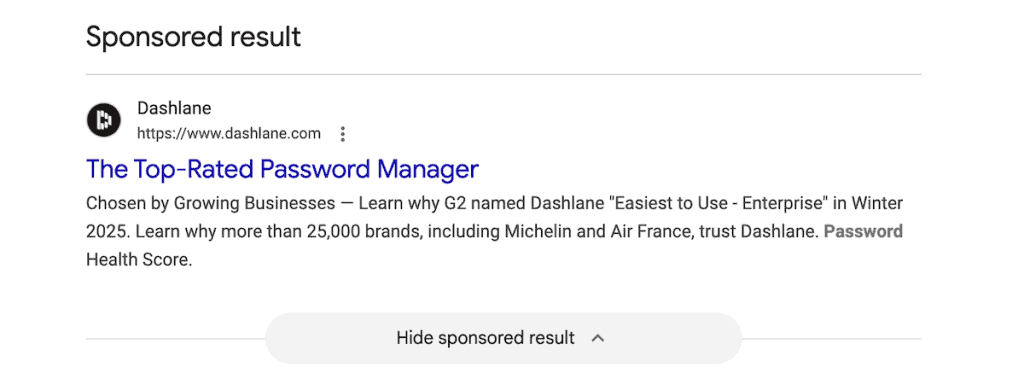
For eCommerce sites, Google Shopping ads are especially effective because they display your products with images and prices right in the search results.

That said, Google Ads can get expensive in competitive industries. Certain keywords cost several dollars per click, and that adds up quickly. It’s worth monitoring your return on investment closely and considering working with a consultant if you’re new to the platform.
A common approach is to run ads while your organic SEO efforts ramp up, then gradually scale back your ad spend once your content starts ranking on its own.
12. Run Social Media Ads
Social media advertising is another way to drive traffic quickly. Depending on the platform, it can be less expensive than Google Ads and offers some unique targeting capabilities.
Facebook and Instagram Ads let you target audiences based on interests, demographics, behavior, and similarity to your existing followers. Retargeting, showing ads to people who’ve already visited your site, is particularly effective because these visitors are already familiar with your brand. To track traffic coming from ads, it’s essential to add the Facebook Pixel to your WordPress site.
LinkedIn Ads are ideal for B2B businesses. You can target by job title, company size, industry, and more. It tends to be pricier than other platforms, but the leads are often higher quality.
TikTok and Pinterest Ads can also work well, depending on your audience. TikTok’s ad platform is growing fast and tends to deliver lower cost-per-click, while Pinterest ads perform well for visual and product-based businesses.
Social ads work best when they feel native to the platform. A post that looks and feels like regular content, but includes a clear call to action, gets much better engagement than something overly polished and promotional.
How to Make Sure You’re Attracting the Right Traffic
More traffic is only valuable if it’s the right kind. Here’s how to keep your strategy focused.
Define your target audience first. Who are your ideal customers? What problems are they trying to solve? Creating detailed buyer personas ensures every piece of content you produce speaks to the right people.
Map content to the customer journey. Some people are just discovering a problem (awareness). Others are comparing solutions (consideration). And some are ready to buy (purchase). Your content should address all of these stages, not just the people who are already reaching for their wallets.
Finally, track your results. Google Analytics and Google Search Console show you where traffic is coming from, how visitors behave on your site, and which pages convert. Use this data to double down on what works and adjust what doesn’t.
The goal isn’t just more pageviews. It’s more of the right pageviews.
Increase Website Traffic FAQs
How long does it take to increase website traffic?
It depends on the methods you use. Paid strategies like Google Ads can drive traffic immediately. Organic strategies like SEO and content marketing typically take three to six months to show significant results. Consistency is what separates the sites that grow from the ones that don’t.
What’s the fastest way to get more website traffic?
Paid advertising is the fastest route. You can start a Google Ads or social media campaign today and see traffic within hours. For free methods, sharing content on social media and emailing your existing list deliver the quickest results.
Is SEO still worth it?
Yes. The search landscape has changed with AI-generated summaries and evolving algorithms, but organic search still drives the majority of website traffic for most businesses. The tactics may evolve, but creating useful content that answers real questions hasn’t gone out of style.
Do I need a blog to increase traffic?
You don’t technically need one, but it helps a lot. A blog lets you target informational keywords, build authority in your niche, and create shareable content for social media and email. Without one, you’re limited to the handful of pages on your main site.
Can social media replace SEO?
Not really. Social media is a great distribution channel, but traffic from social tends to be short-lived. A social post might drive visits for a day or two. A blog post that ranks well on Google can bring in visitors for months or years. The best approach is to use both together, with social media amplifying the content that SEO brings to the surface.
Closing Thoughts: How to Increase Website Traffic
There’s no single magic bullet for growing your website traffic. The sites that see real, sustainable growth are the ones that combine multiple strategies and show up consistently.
Start with what you can control. Create content that answers your audience’s questions. Make sure your site is fast, mobile-friendly, and technically sound. Optimize for search engines. Build an email list. Show up on the social platforms where your audience spends time.
From there, layer in paid strategies as your budget allows. Google Ads and social media ads can speed things up while your organic efforts gain traction.
And don’t overlook the role your hosting plays in all of this. A slow, unreliable website undermines every traffic strategy you put in place. If your current hosting isn’t keeping up, it might be worth looking at a faster option.
Now over to you. Which of these strategies are you planning to try first? Or is there one that’s already been working well for you? Share your experience in the comments below.
Ready to build your WordPress site?
Try our service free for 14 days. No obligation, no credit card required.


